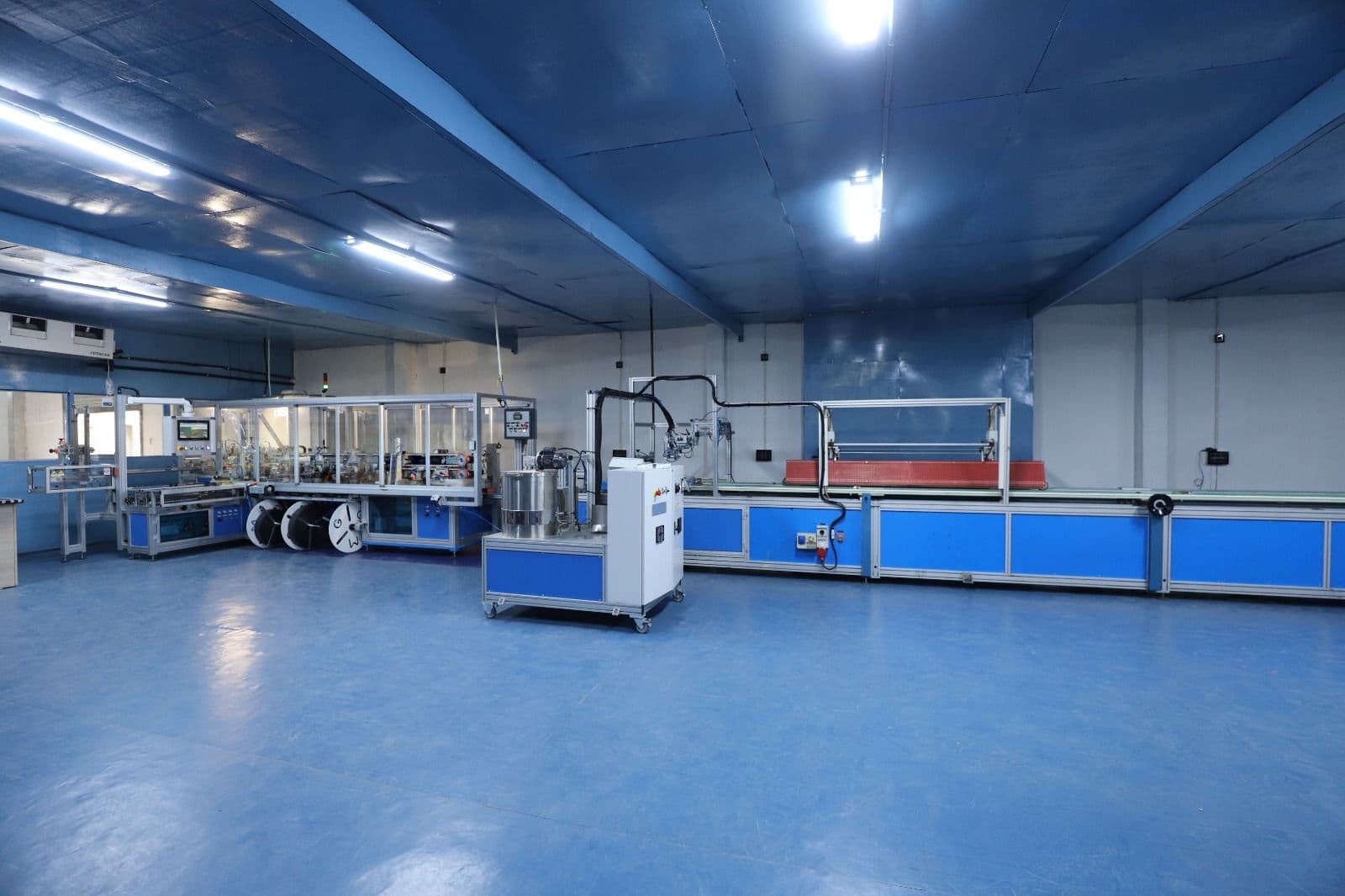
The Line · Kota, India
Ten stations. One standard.
A Kirpal brush is not made at a bench. It travels a line: filament in at one end, an export carton out at the other. Here is every station it passes, in order.
Filament
Every brush starts as loose filament.
Synthetic and natural filament is measured, cut and bundled into knots. The count and the length of each knot decide how the brush will load and release paint.
- Input
- Synthetic PBT and natural bristle
Ferrule
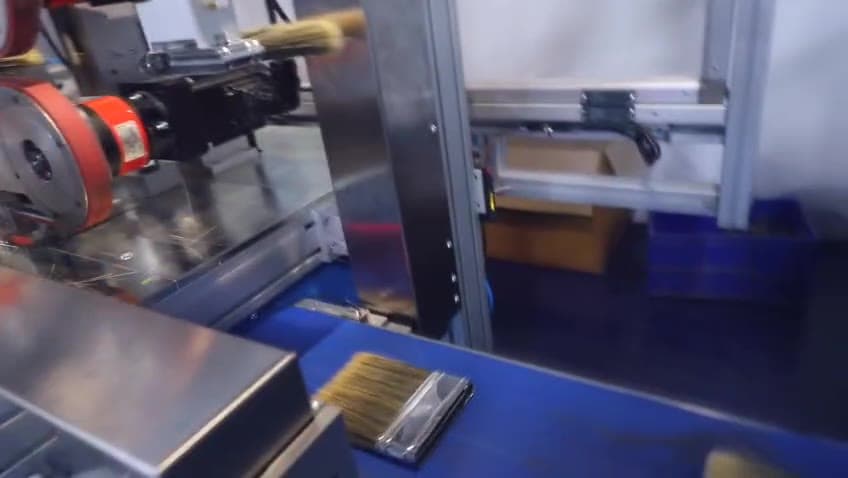
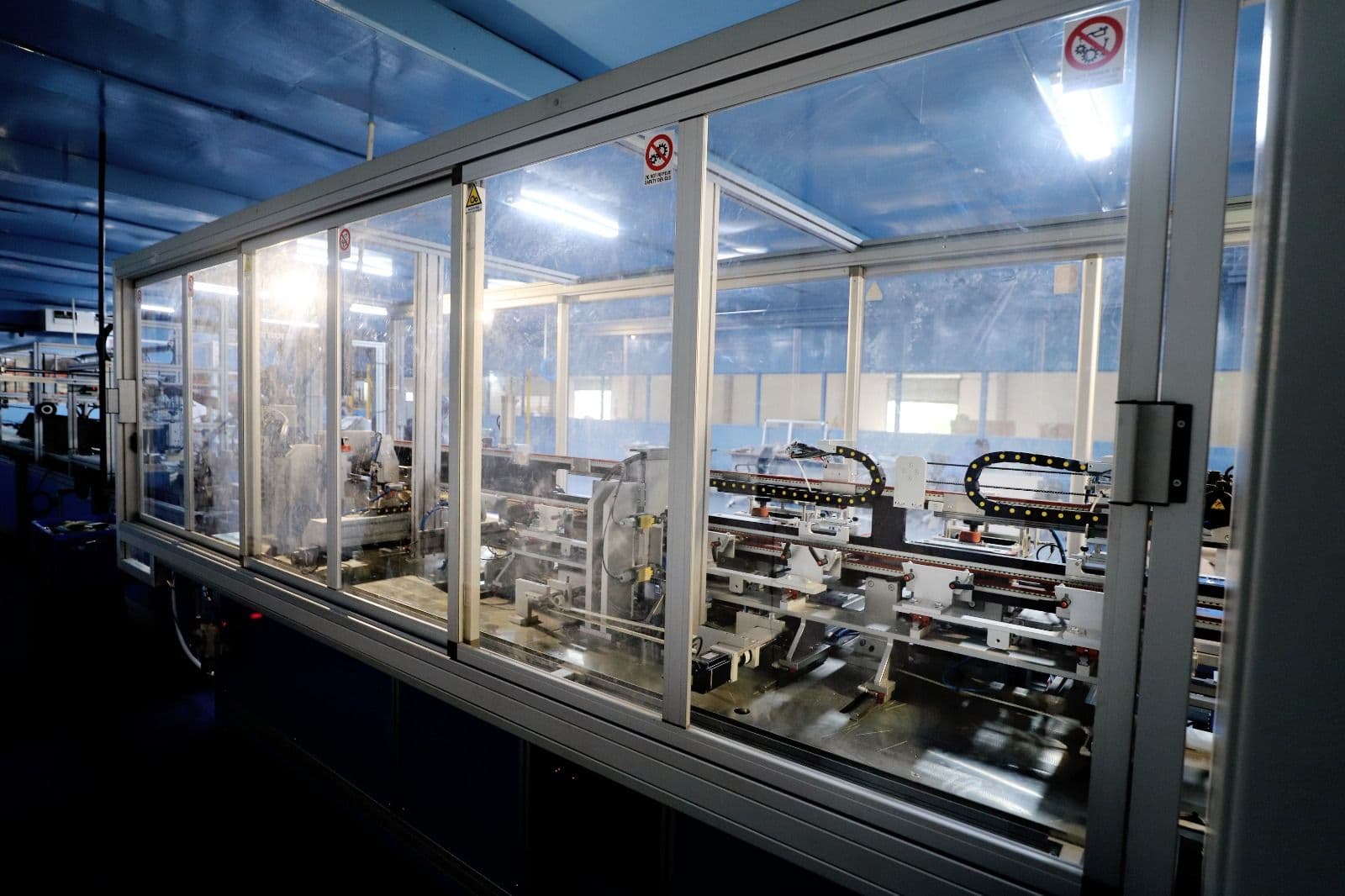
Italian steel, fed in line.
Steel ferrules imported from Italy are fed onto the line in sequence. The ferrule is the spine of the brush: it holds the knot, takes the handle and carries the crimp.
- Material
- Italian steel ferrules
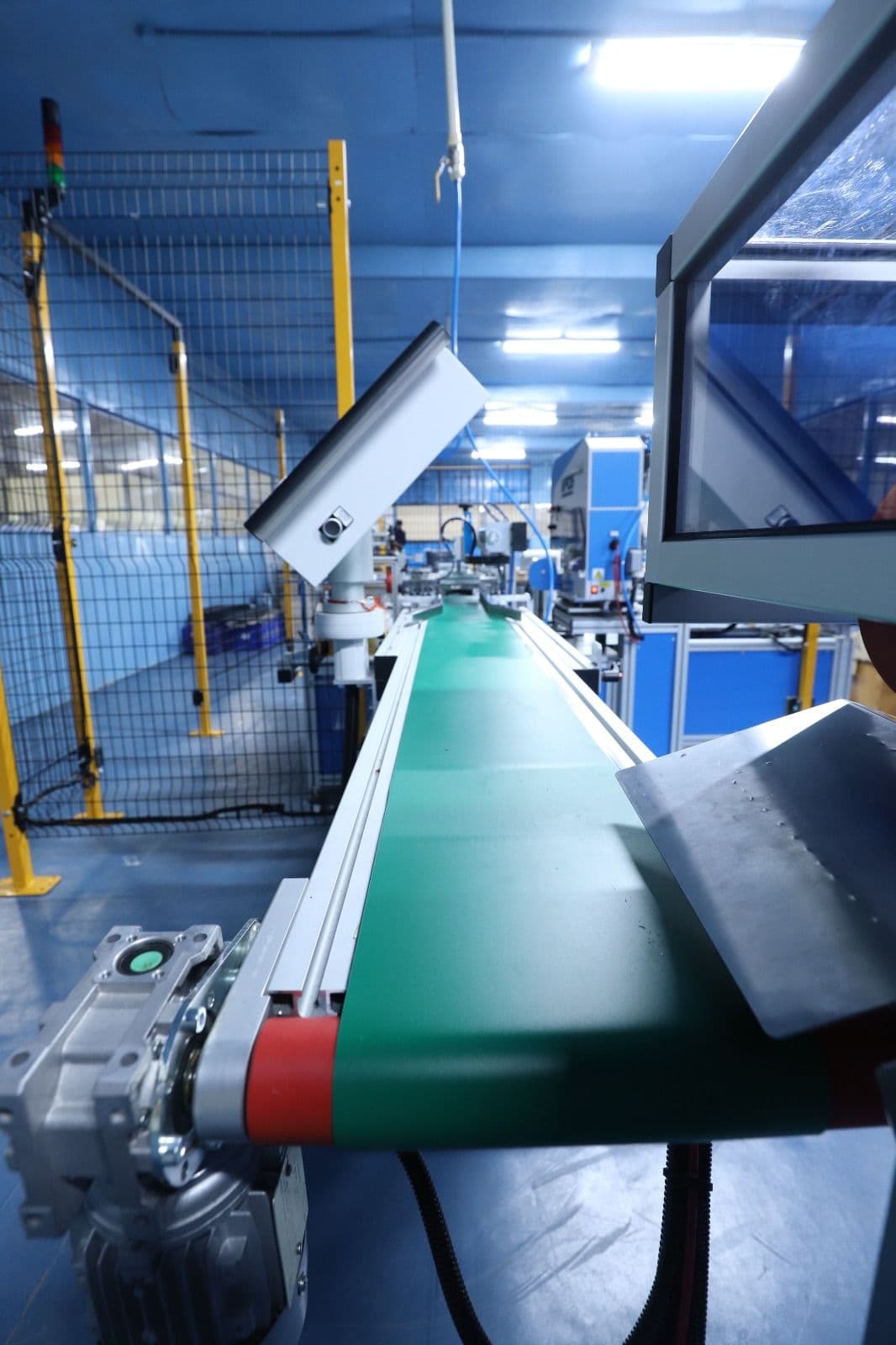
Assembly cell
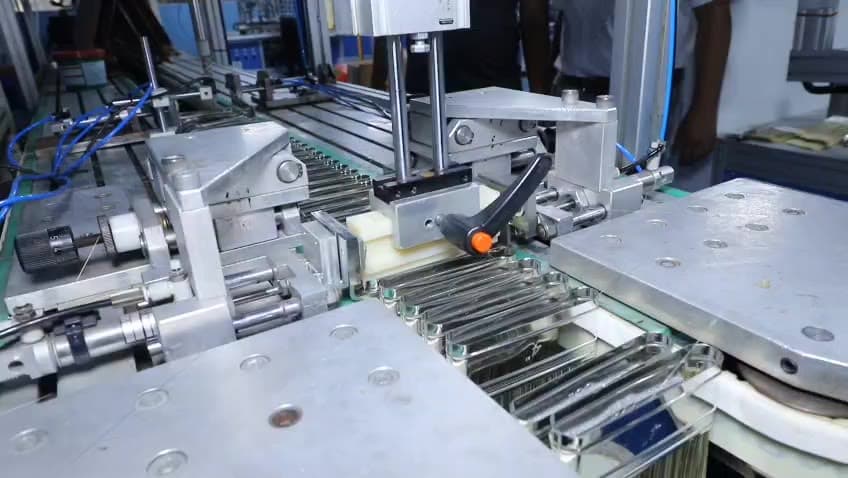
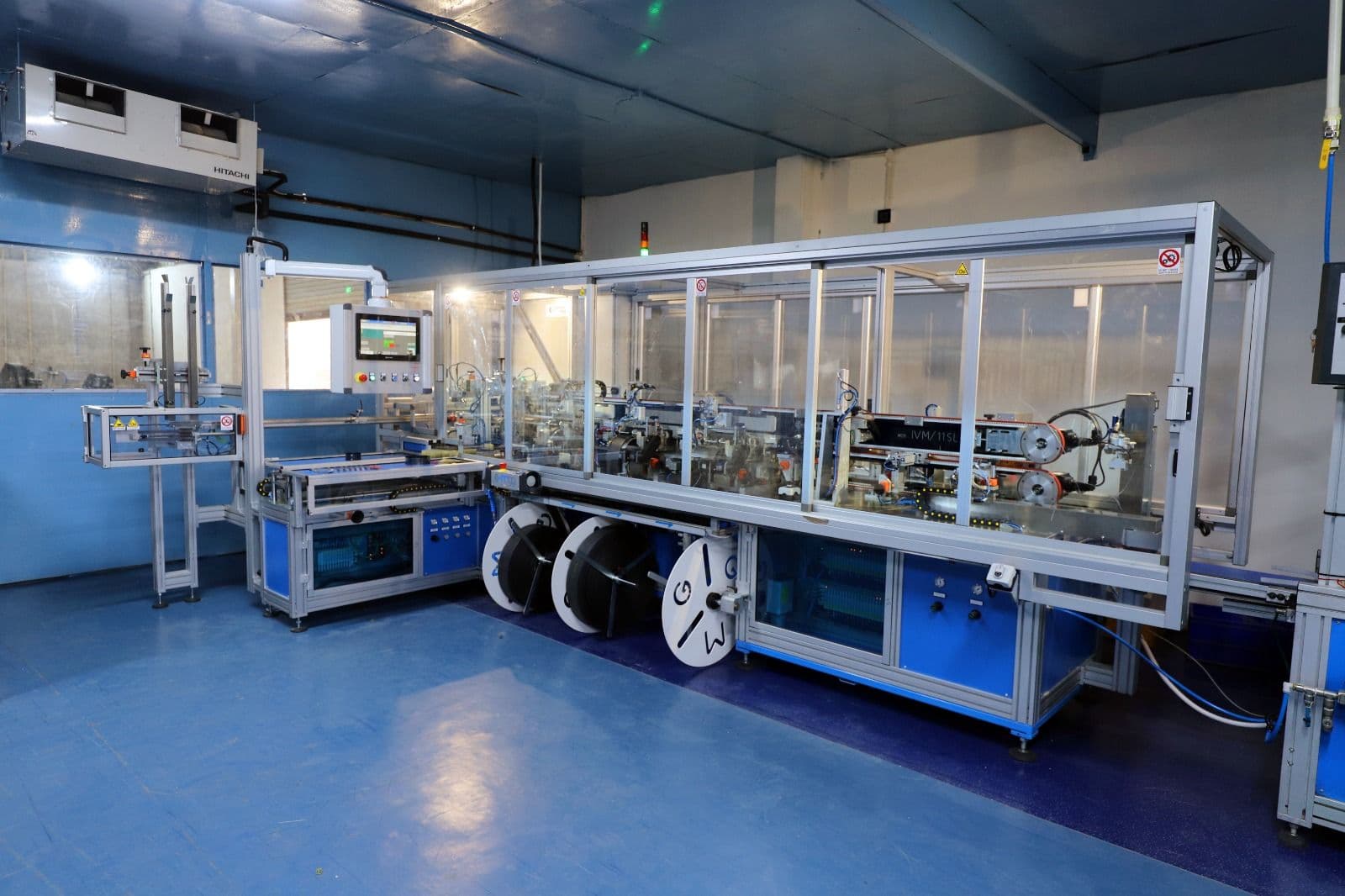
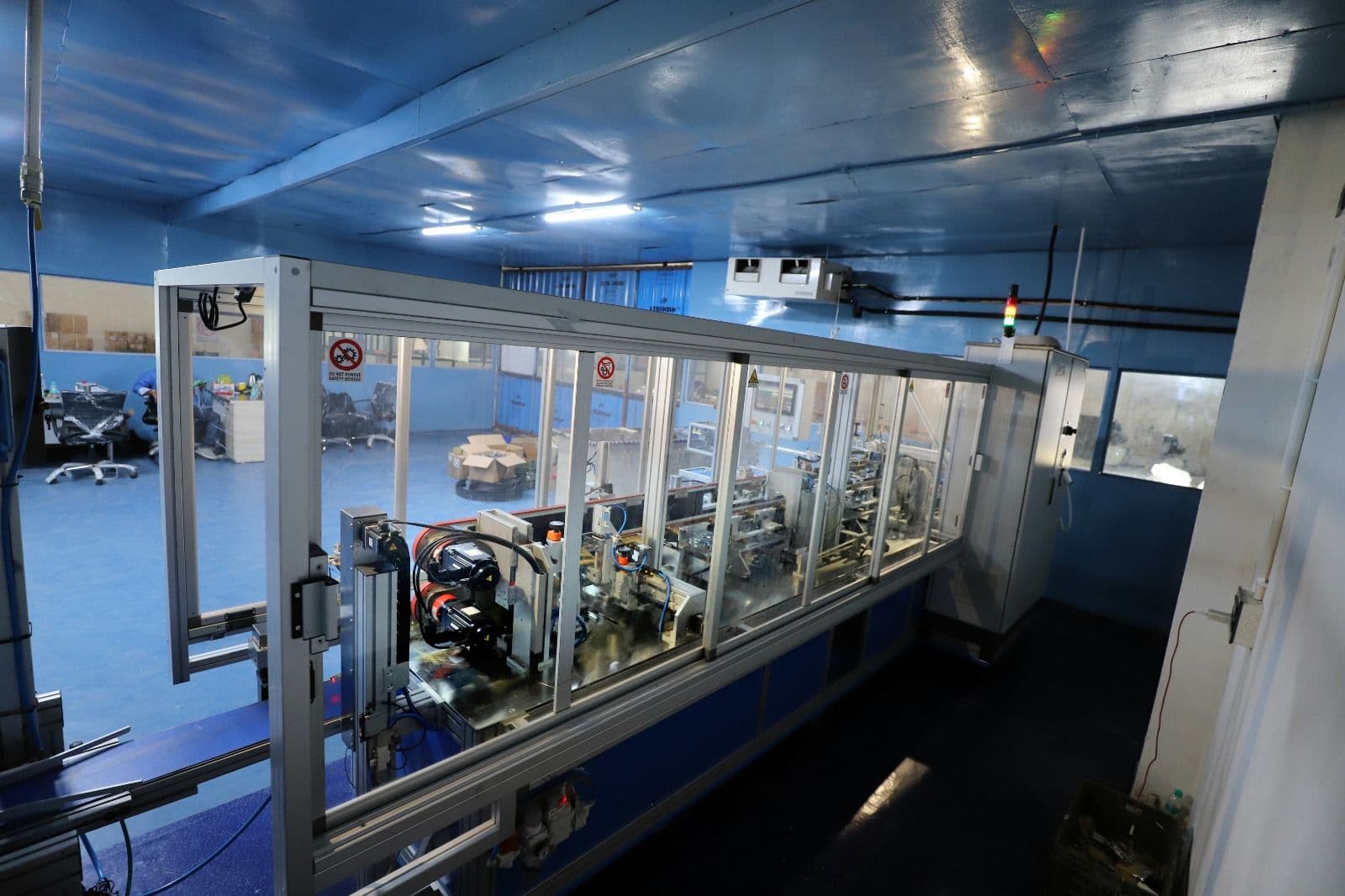
The knot is seated by machine.
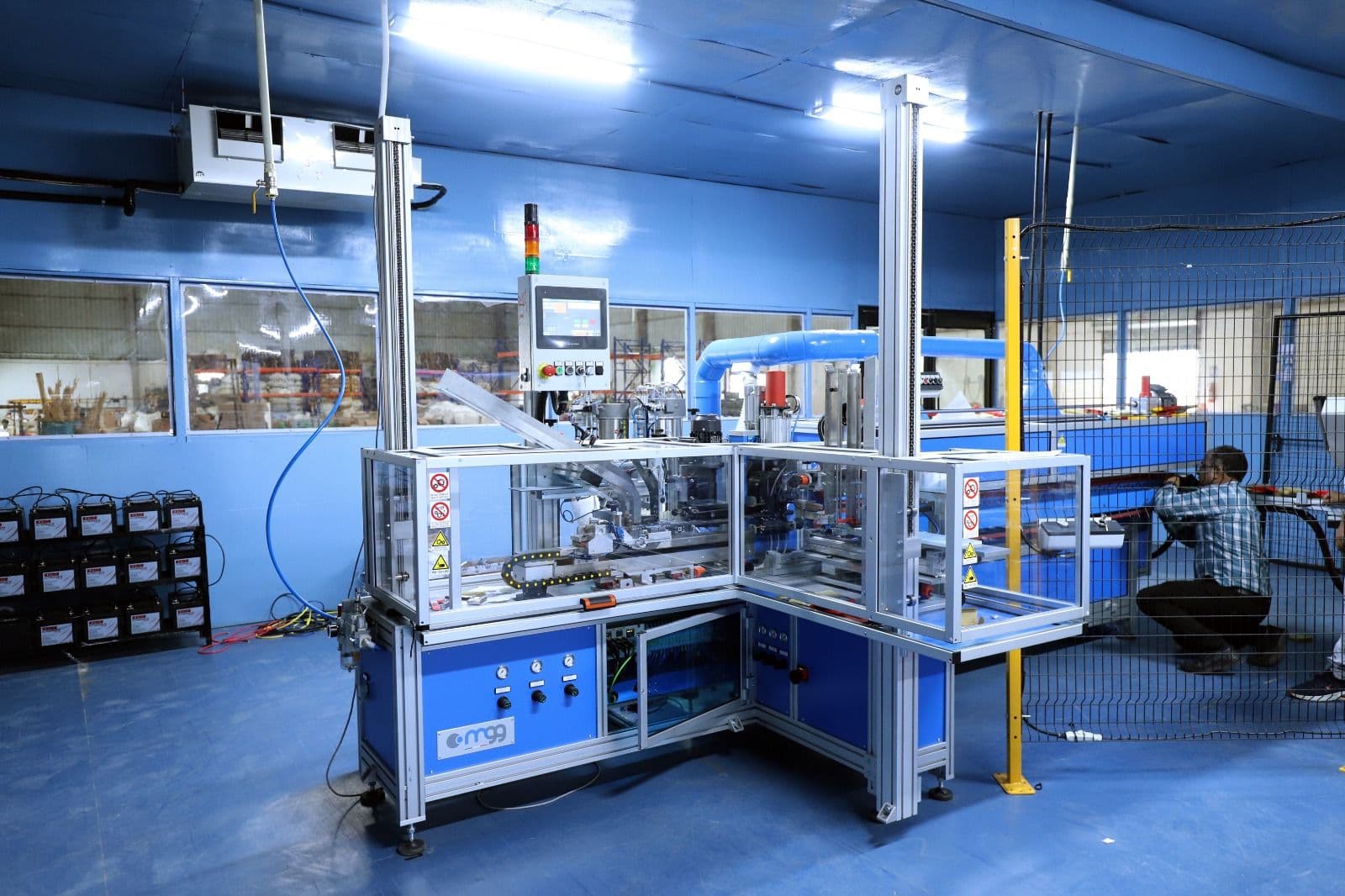
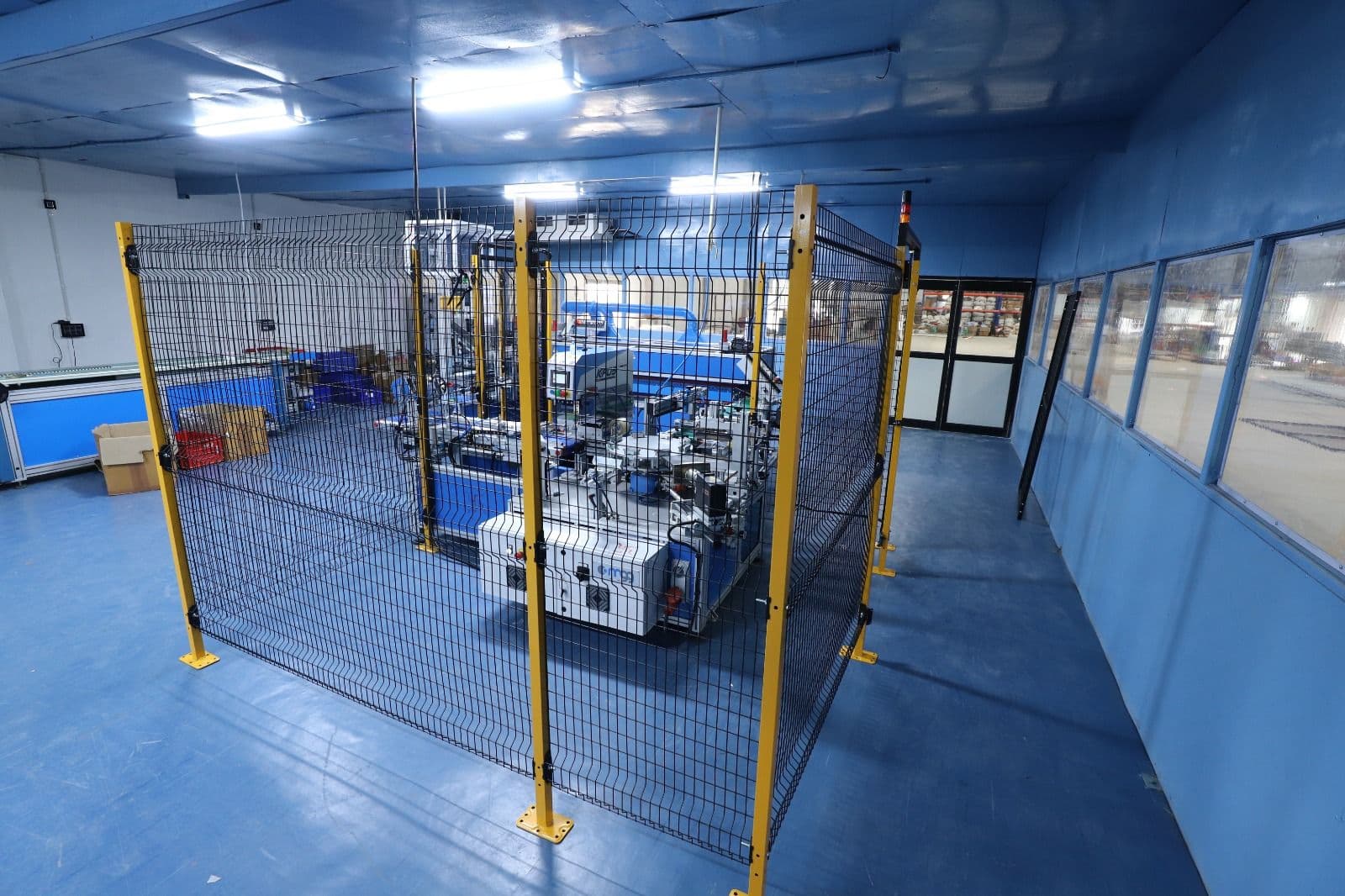
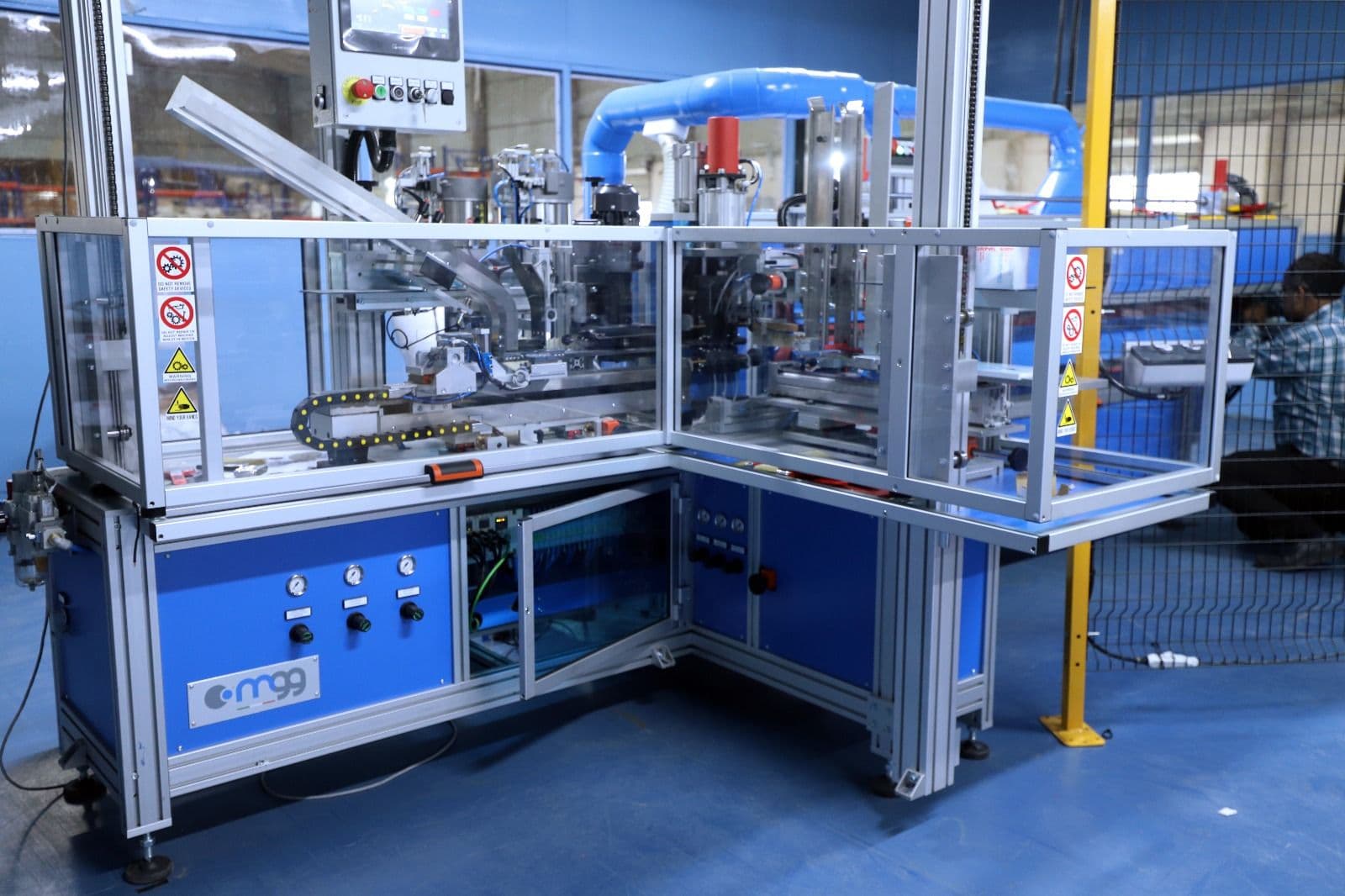
Inside an enclosed automated cell, the knot is formed and pushed into the ferrule to a fixed depth. The same depth, every time, is what makes a batch consistent.
- Machines
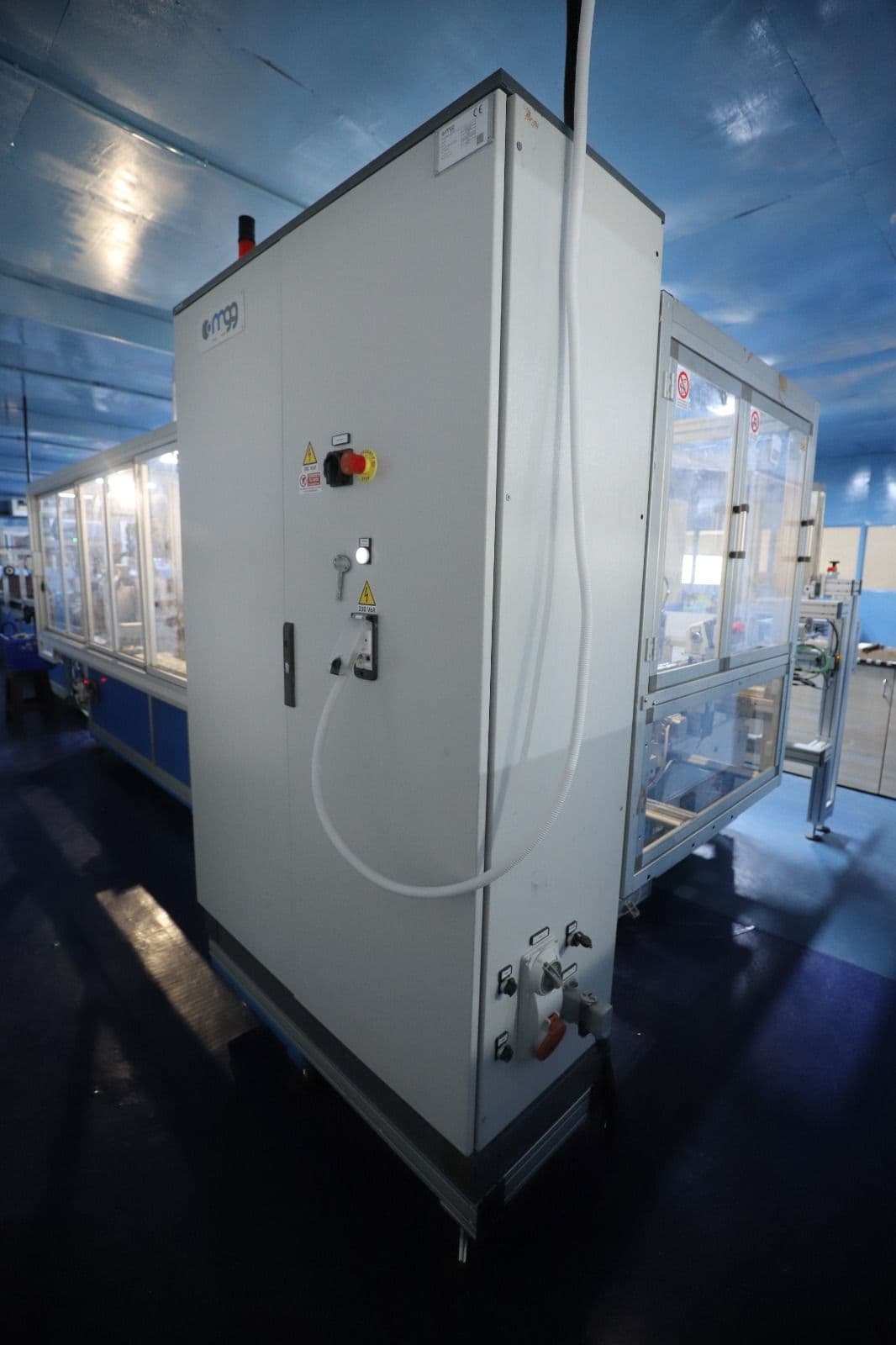
- Automated cells powered by MGG
Setting
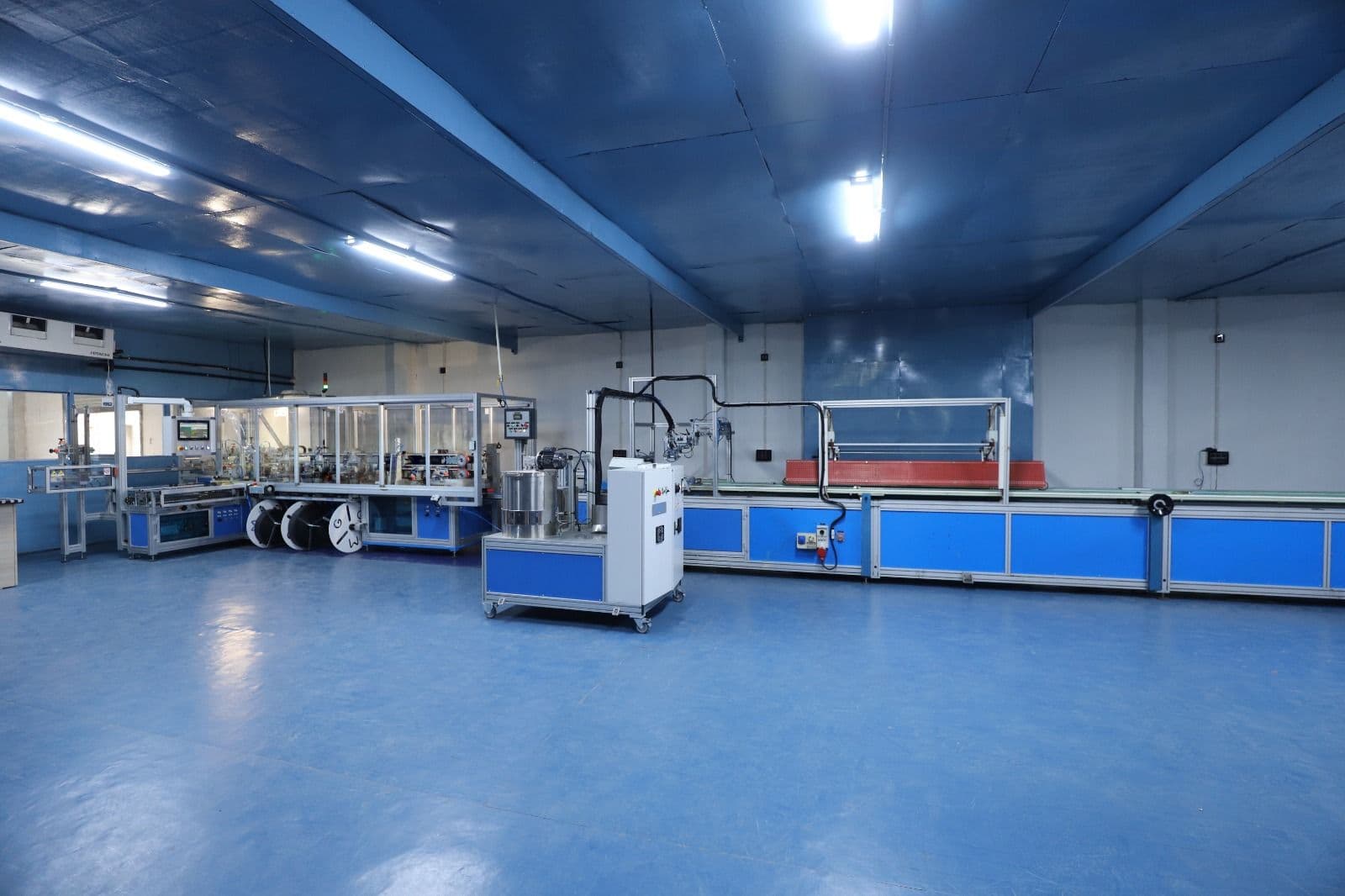
Two-part epoxy locks every strand.
A metered dose of two-part epoxy is dispensed into the ferrule mouth. It flows between the strands and bonds them to the steel so bristles stay in the brush, not on the wall.
- Bond
- Metered two-part epoxy
Curing
Time and heat, on a conveyor.
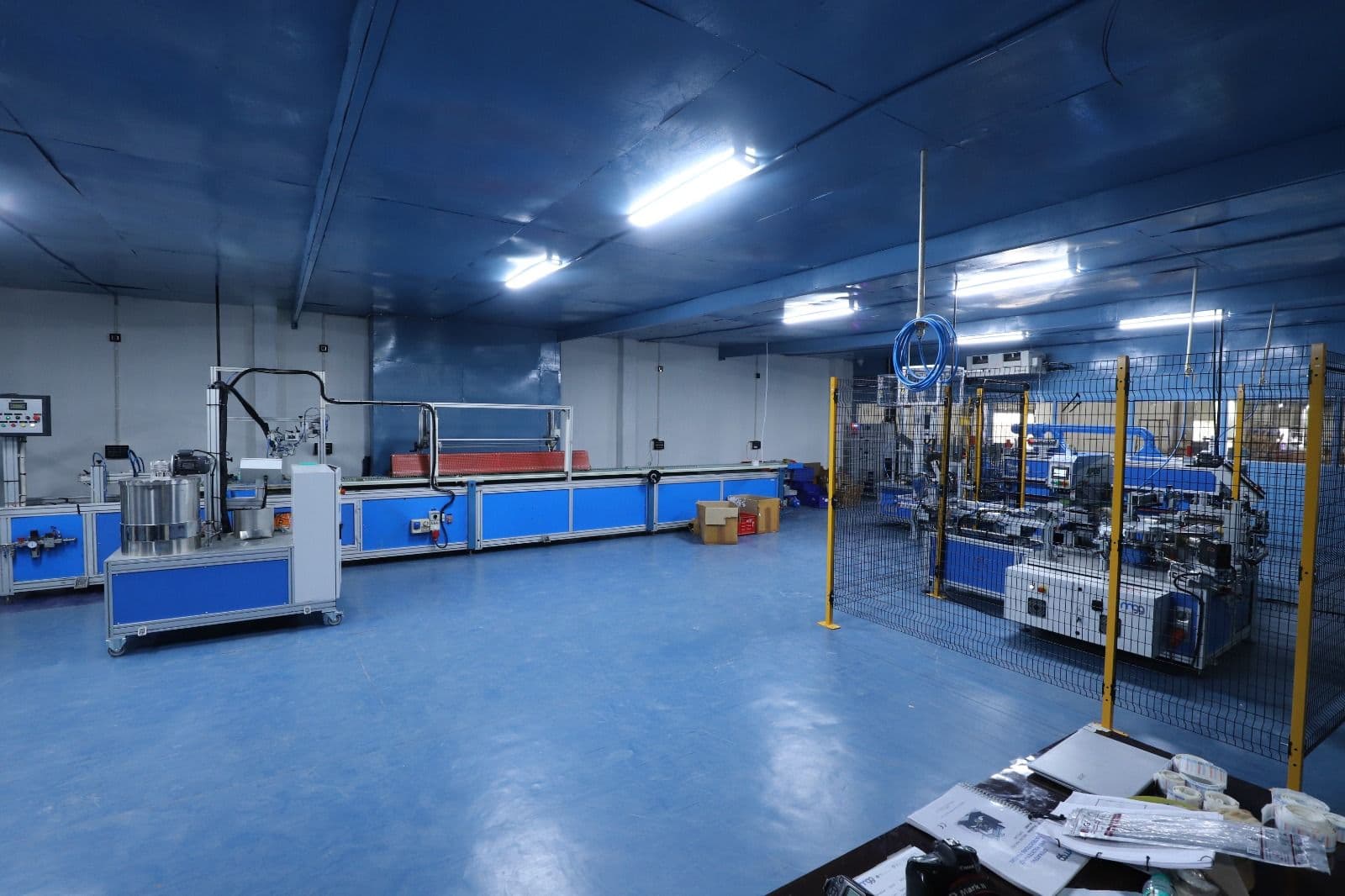
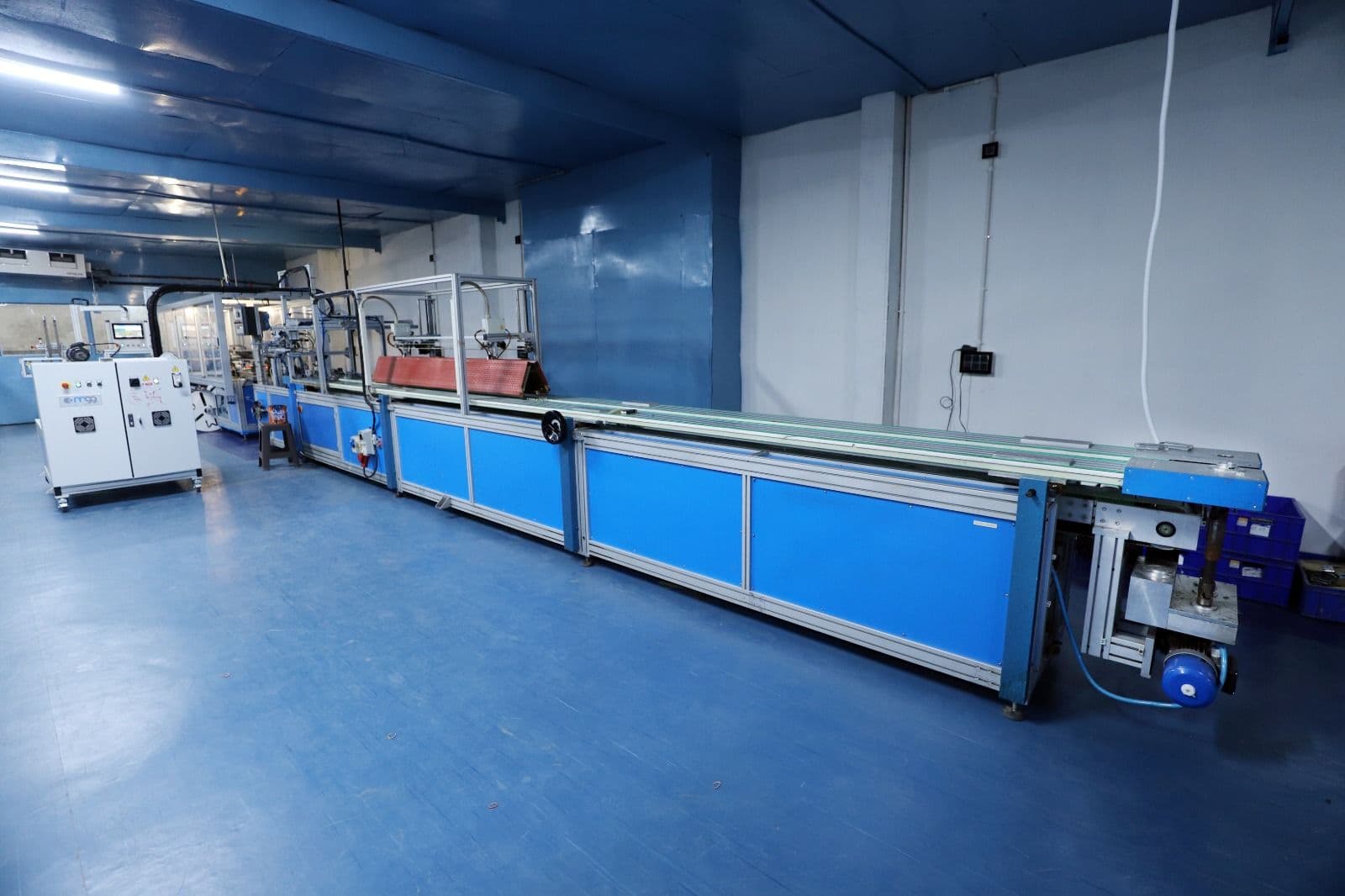
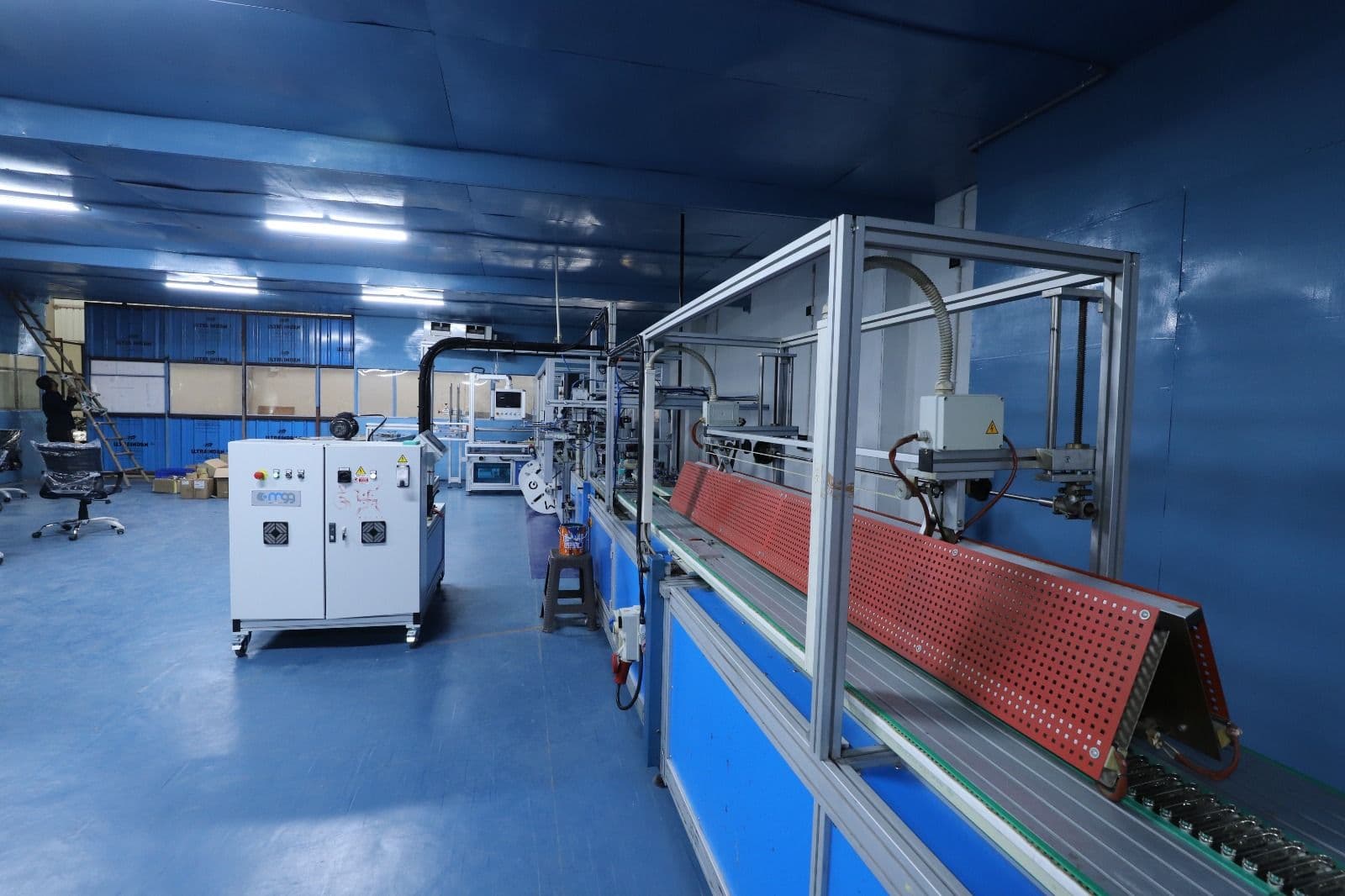
Set brushes travel the curing conveyor until the epoxy is fully hard. Nothing moves to the next station until the bond is complete.
- Stage
- Continuous curing conveyor
Handle
Moulded in-house, joined in line.
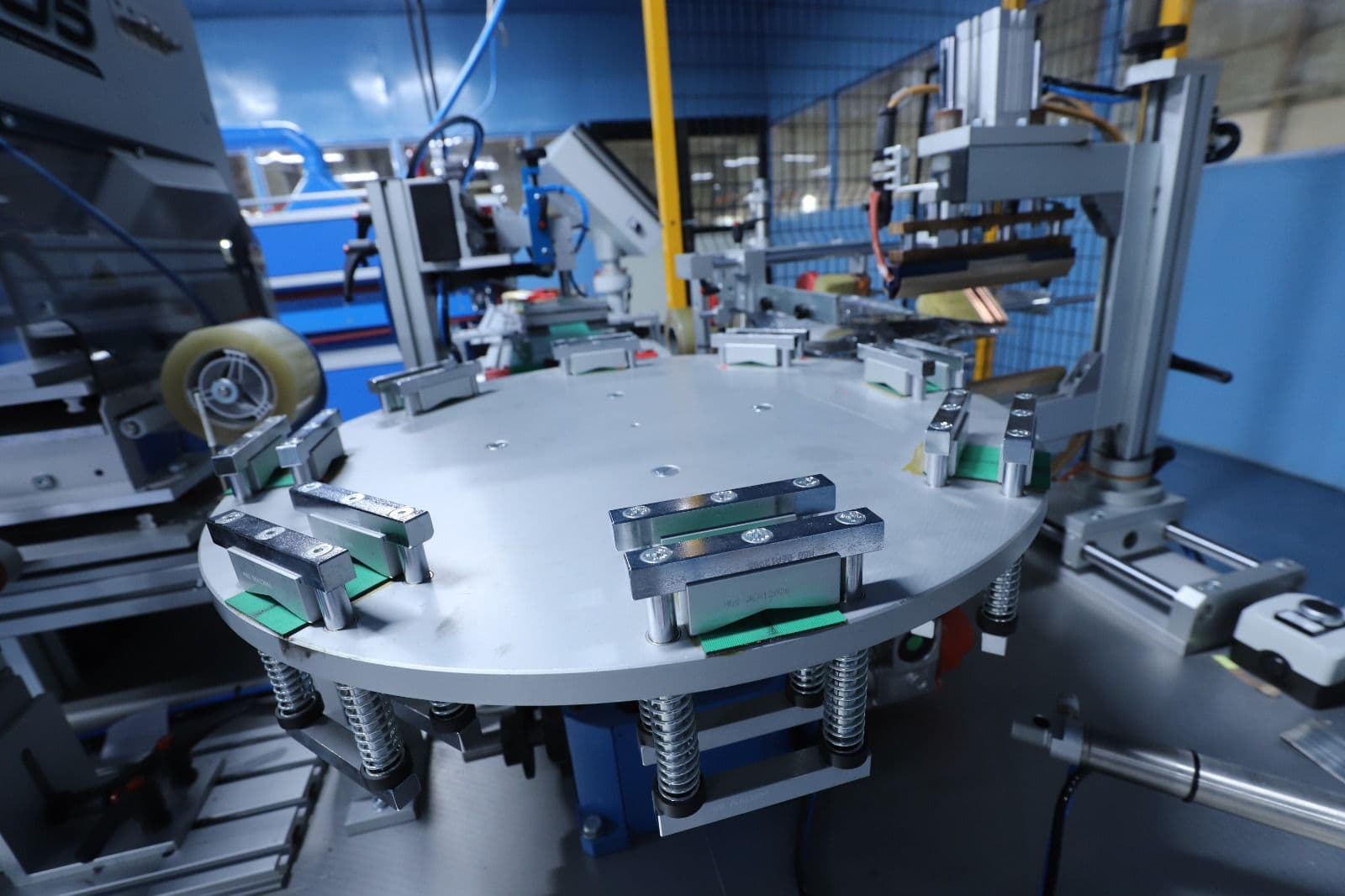
Handles are injection-moulded within the group and joined to the ferrule on rotary index tables, then crimped so the head cannot turn or pull out.
- Handles
- Injection-moulded in-house
Finishing
Trimmed flush. Flagged. Combed.
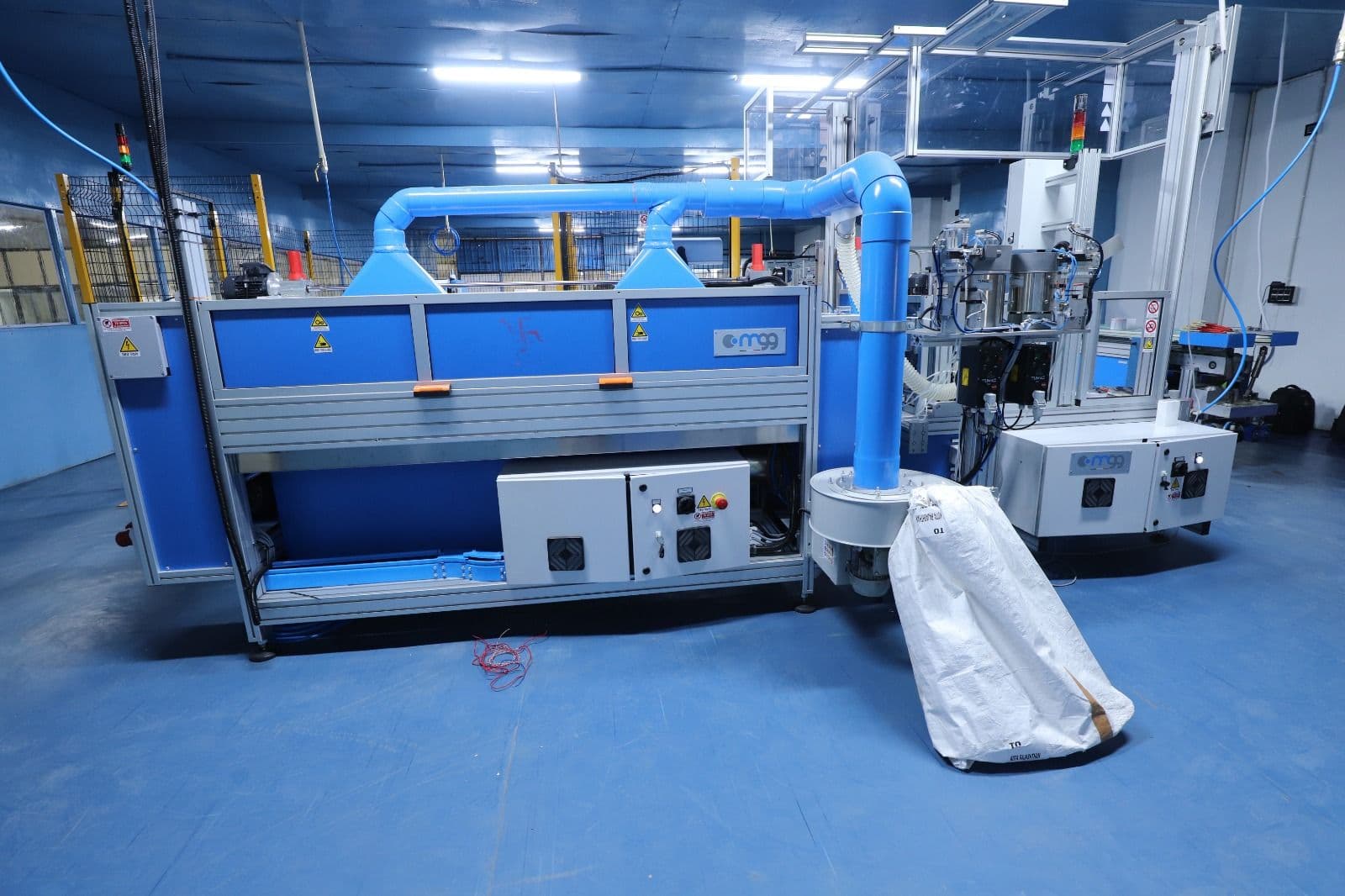
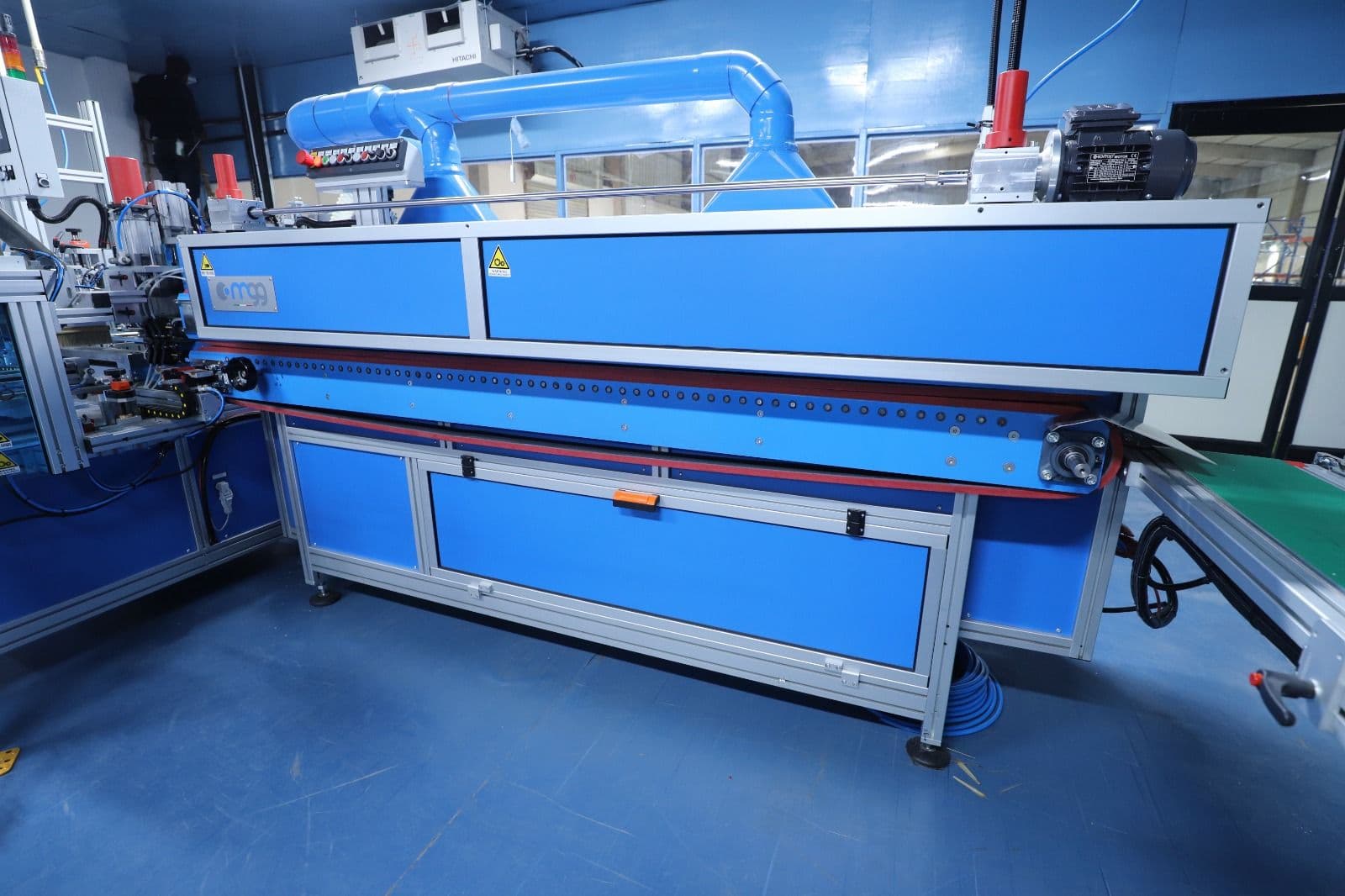
The bristle block is trimmed to length, the tips are flagged for a finer finish, and loose strands are combed out under dust extraction.
- Finish
- Trimmed, flagged, combed
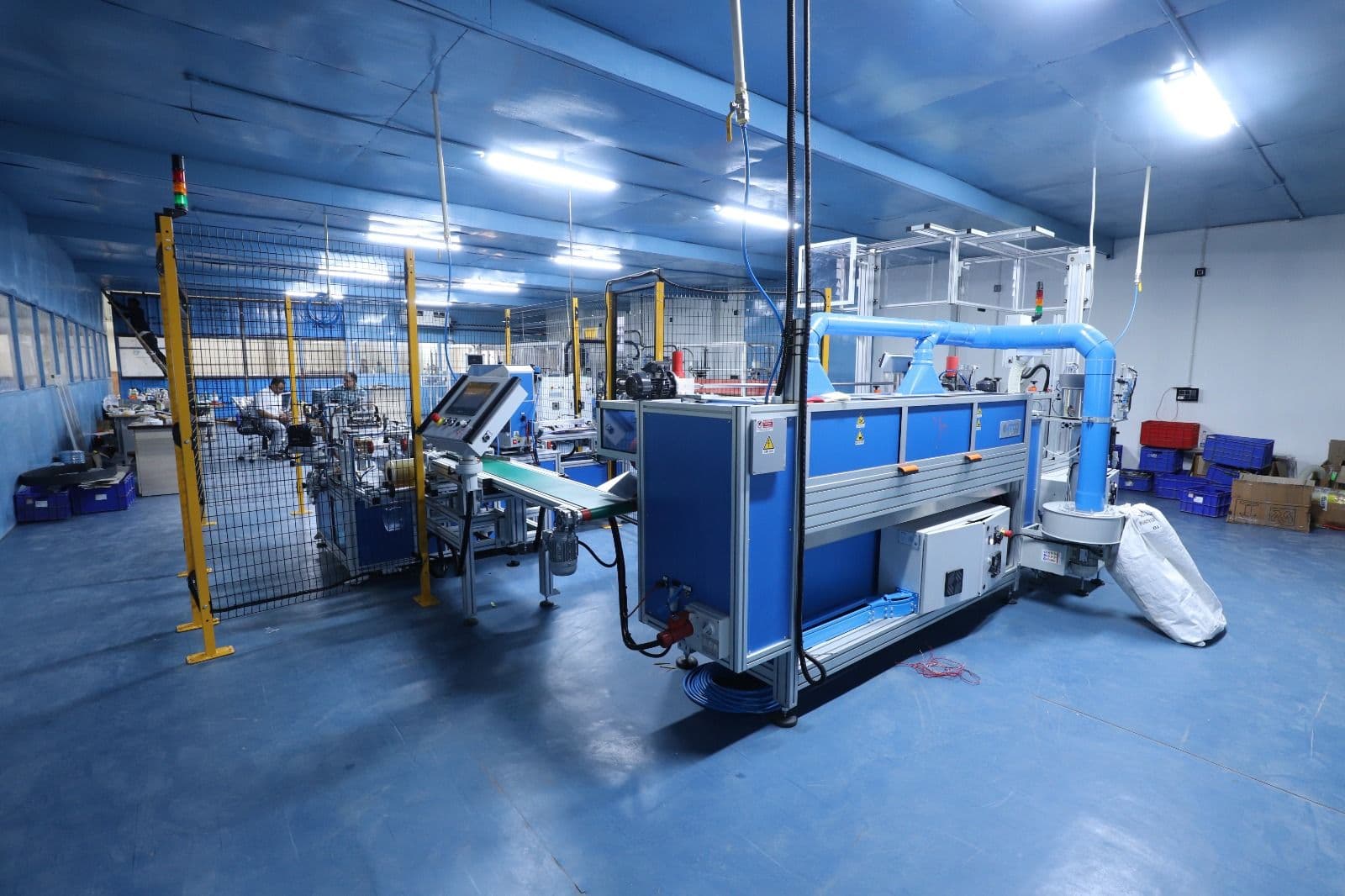
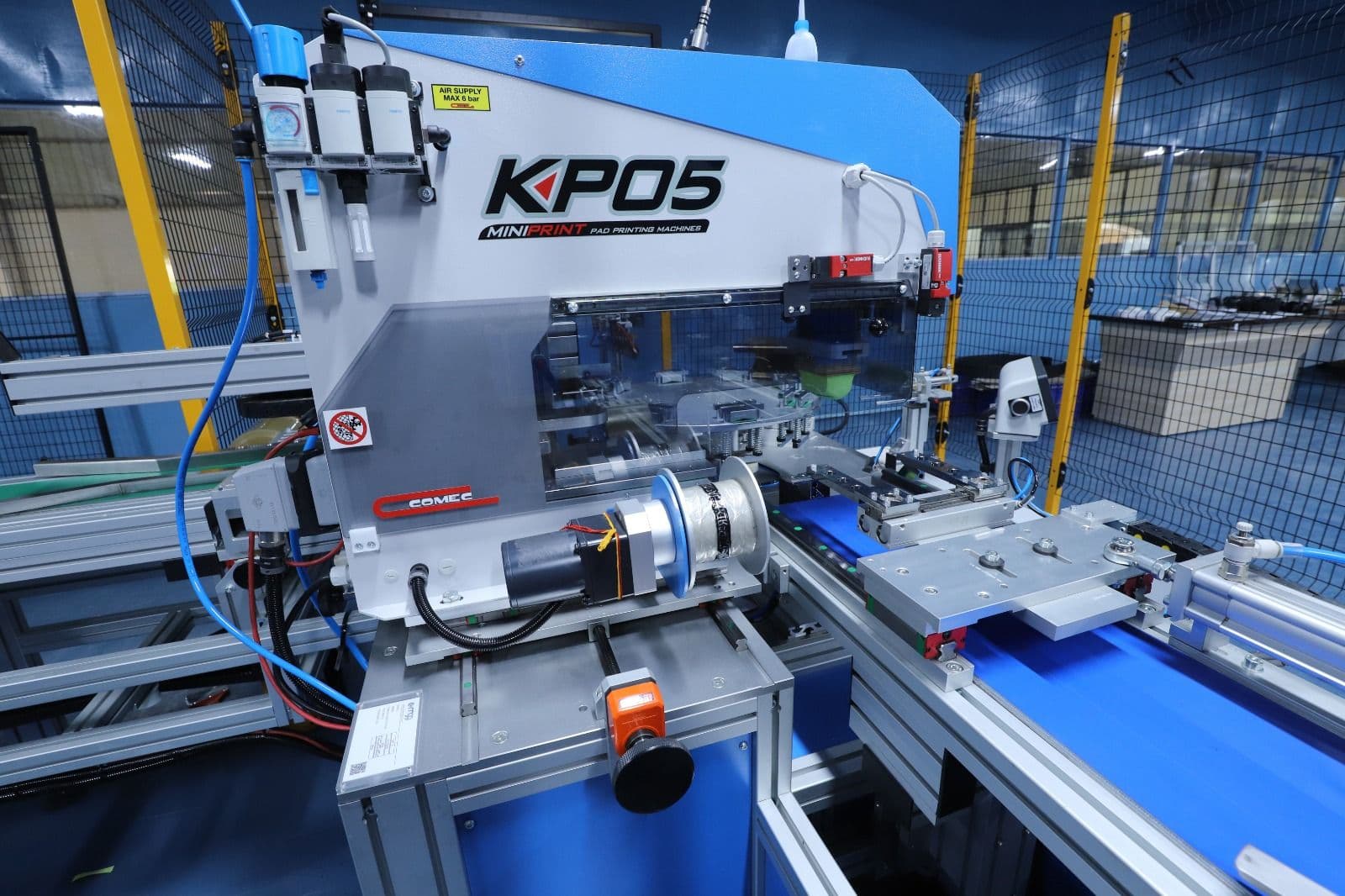
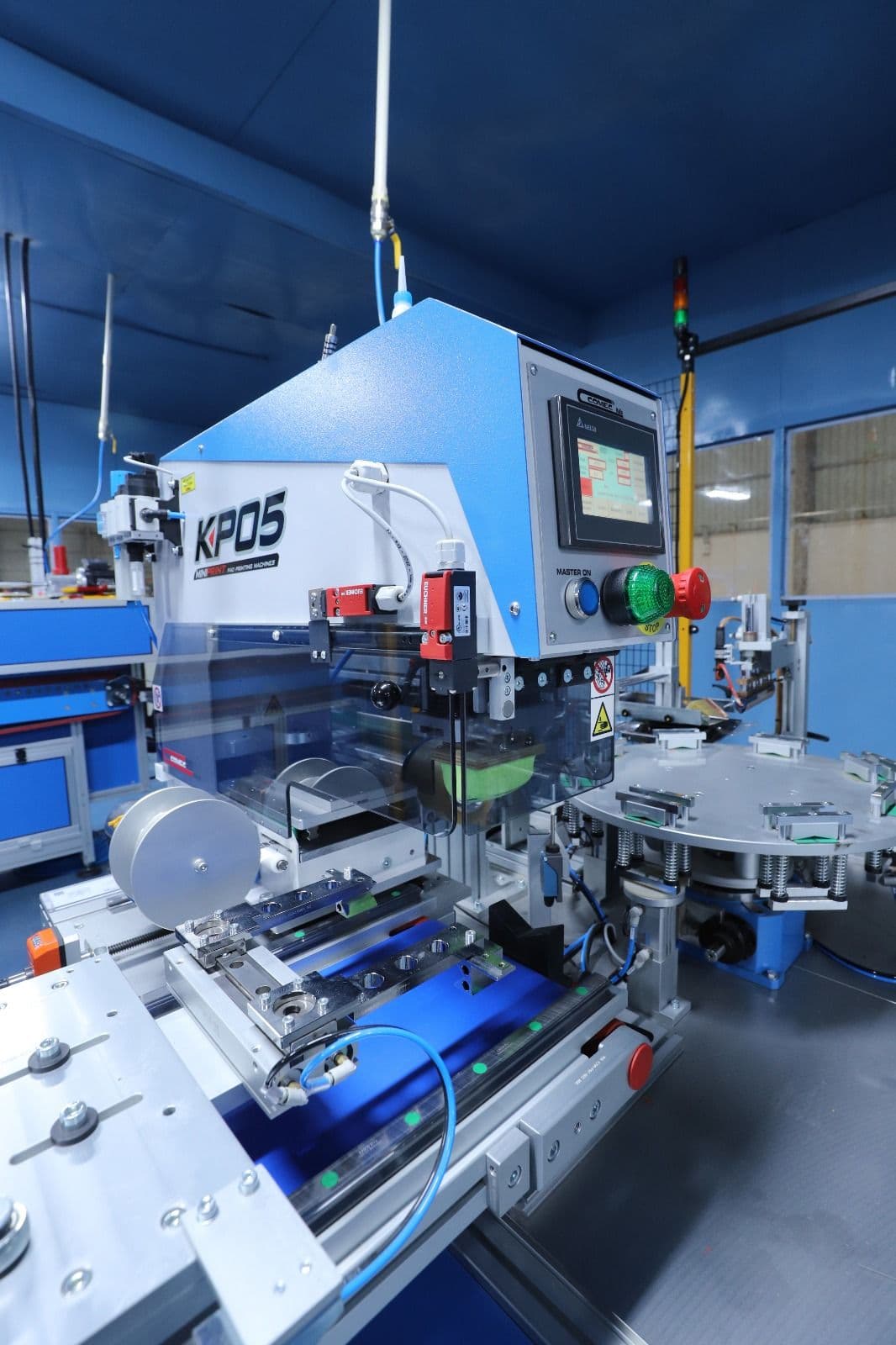
Branding
The mark goes on last.
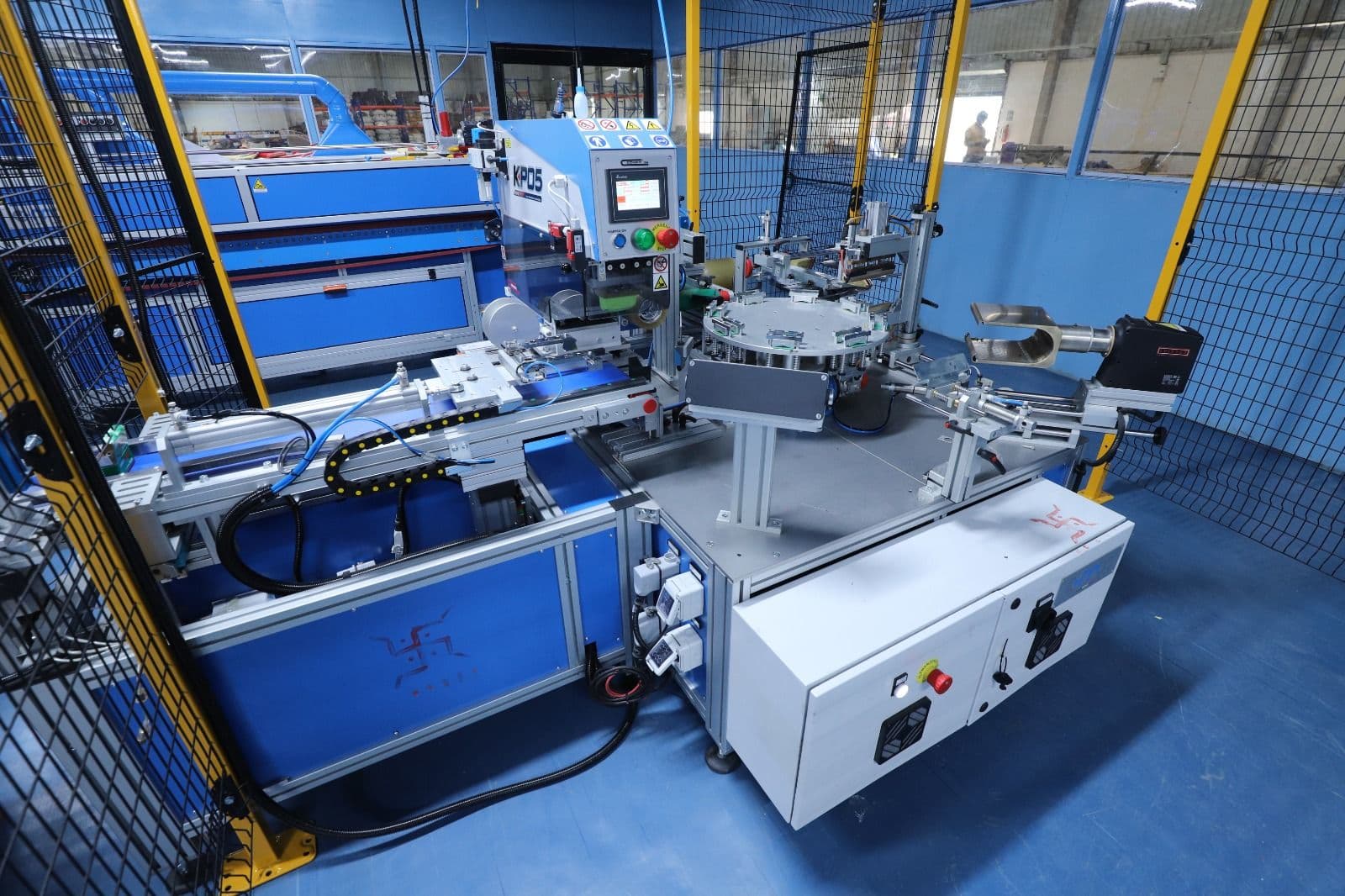
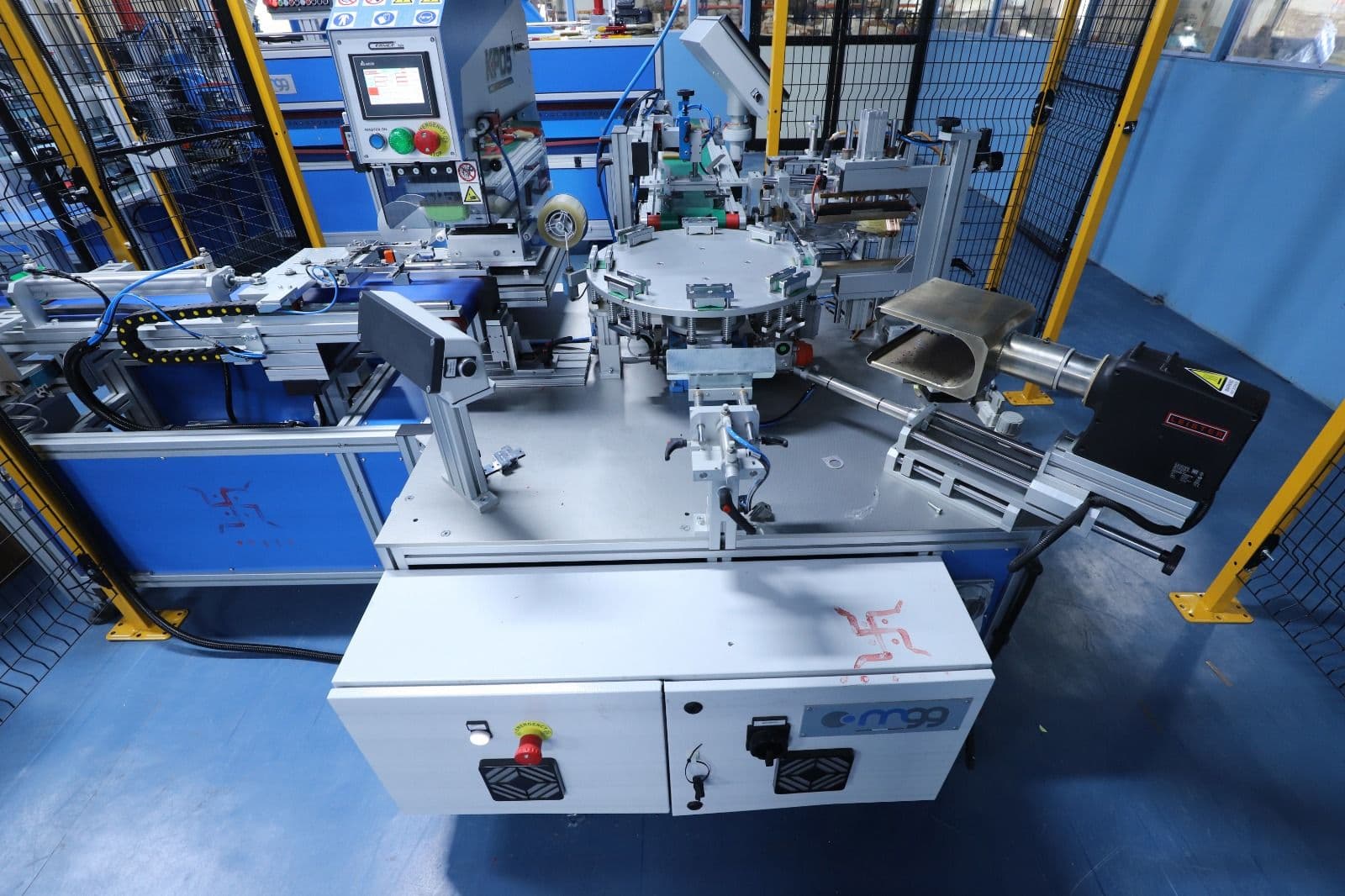
Pad printing puts the brand on the handle, ours or yours. For private-label partners this is where their name meets our line.
- Pad printing on the handle
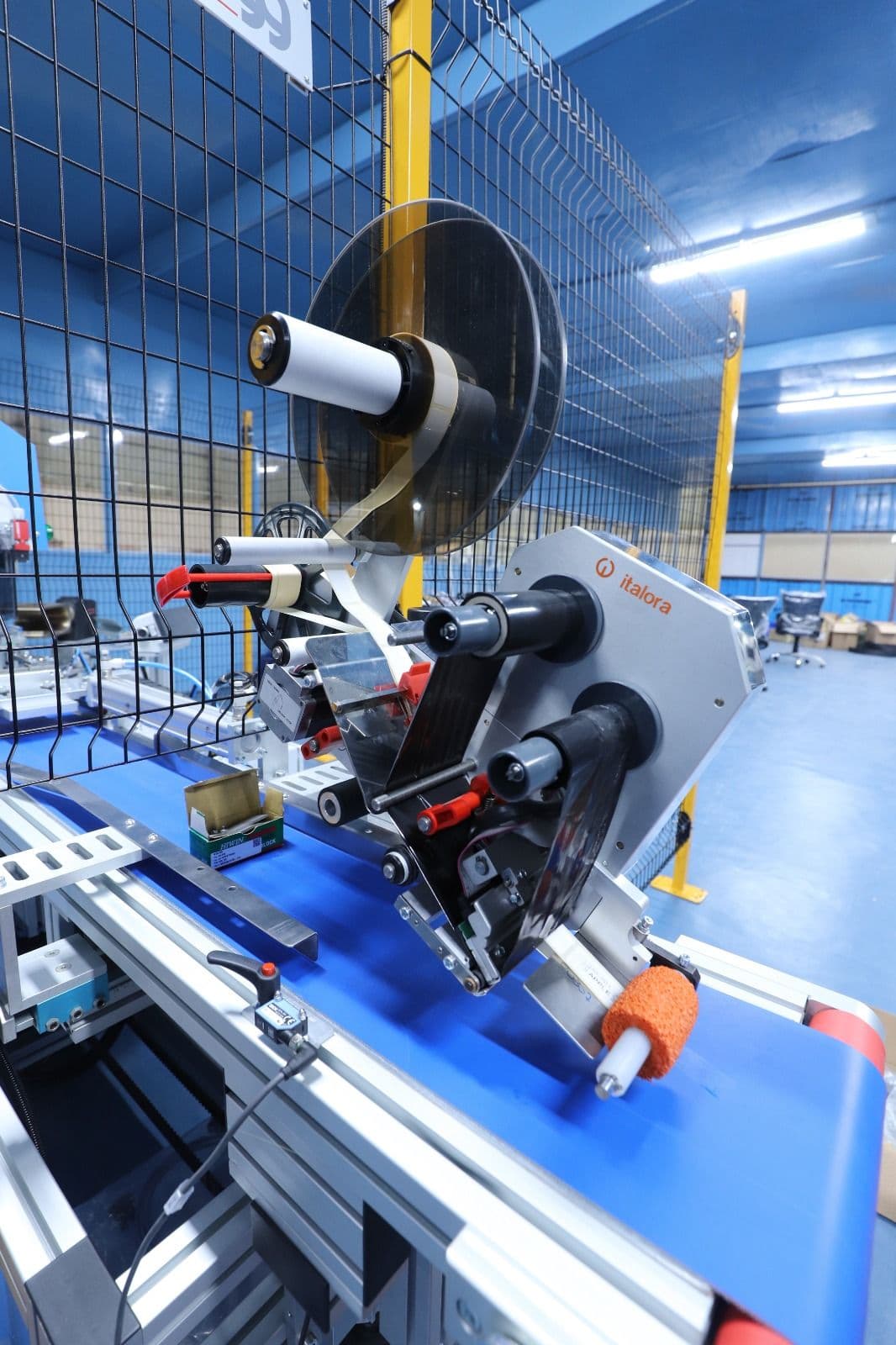
Labelling
Every brush, identified.
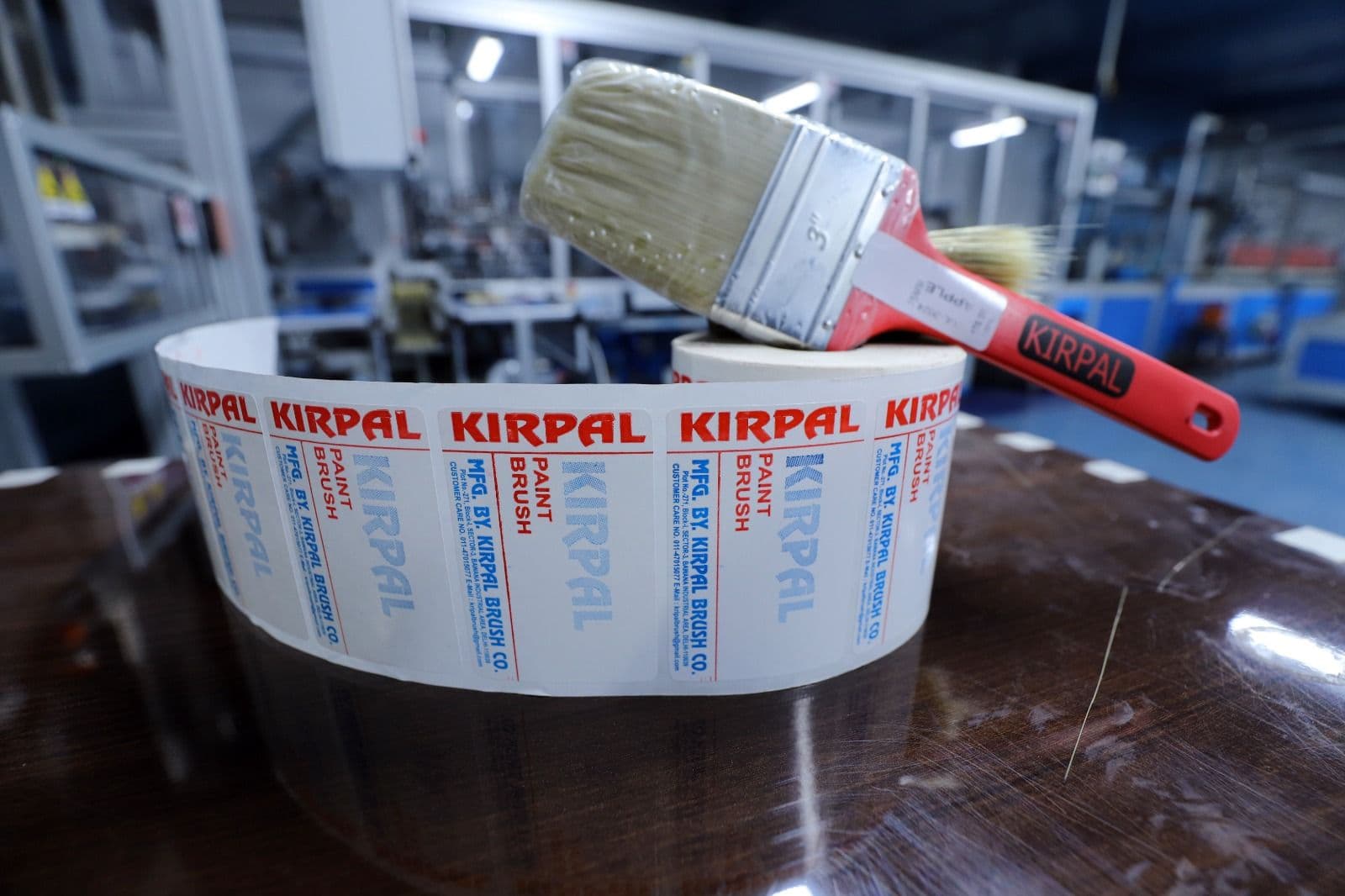
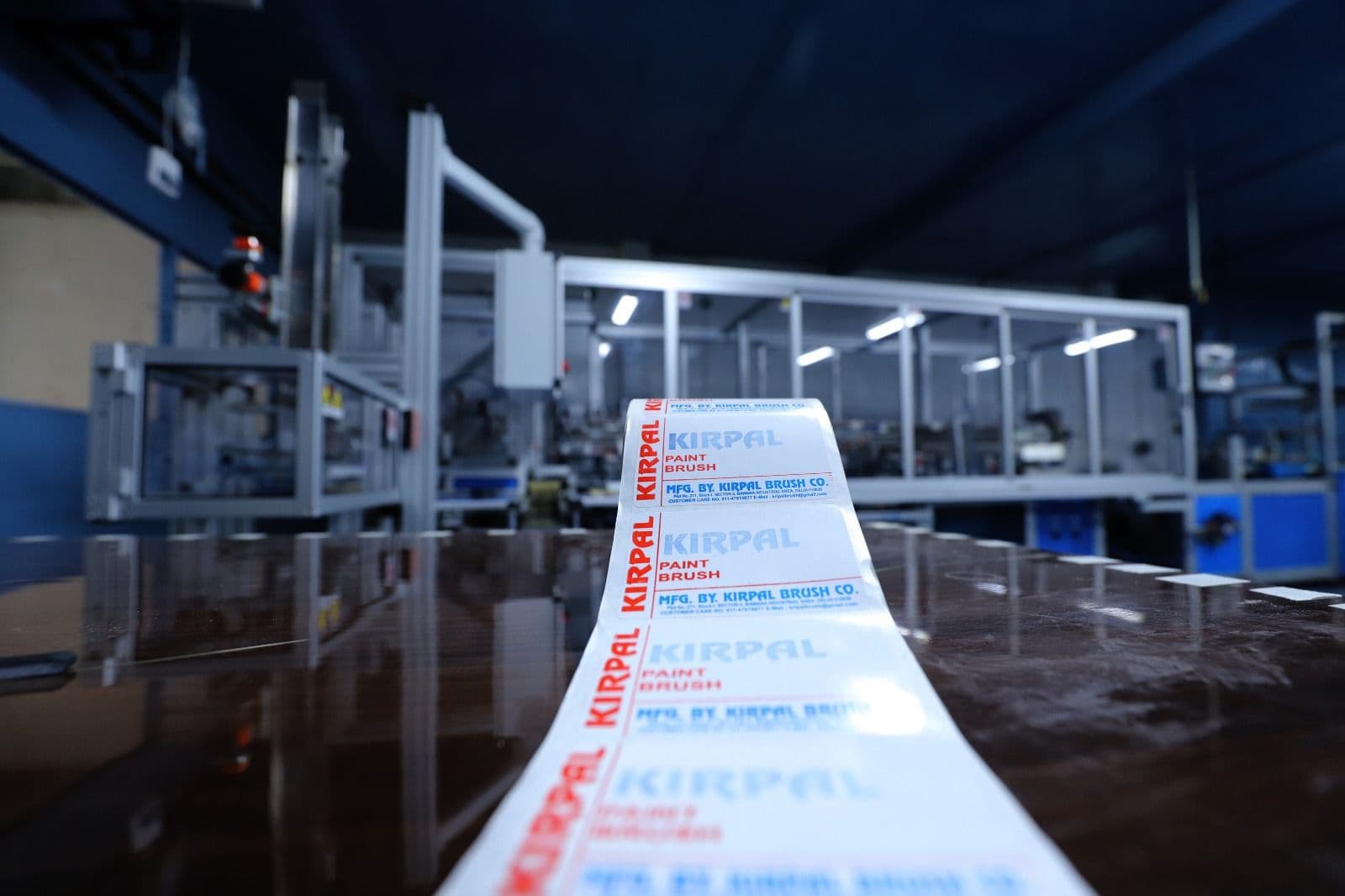
Automatic labelling applies product and batch information, so every brush can be traced back to its run on the line.
- Traceability
- Batch-coded labels
Packed
Ready for the container.
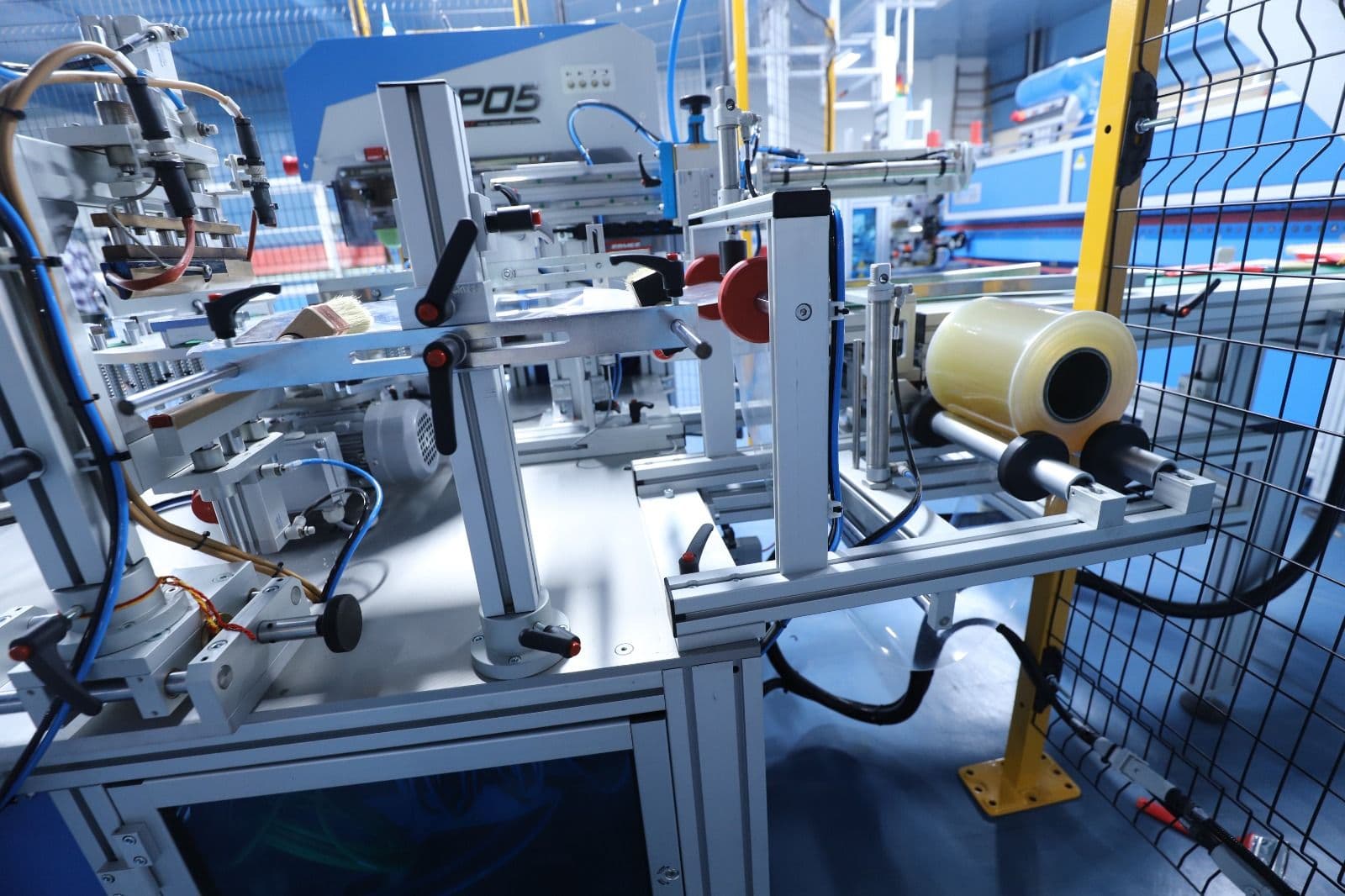
Brushes are wrapped, cartoned and palletised for export. The next time anyone touches them is in a paint shop, somewhere in the world.
- Output
- Export-ready cartons
Inside the plant
The rest of the floor.
See it live